 |
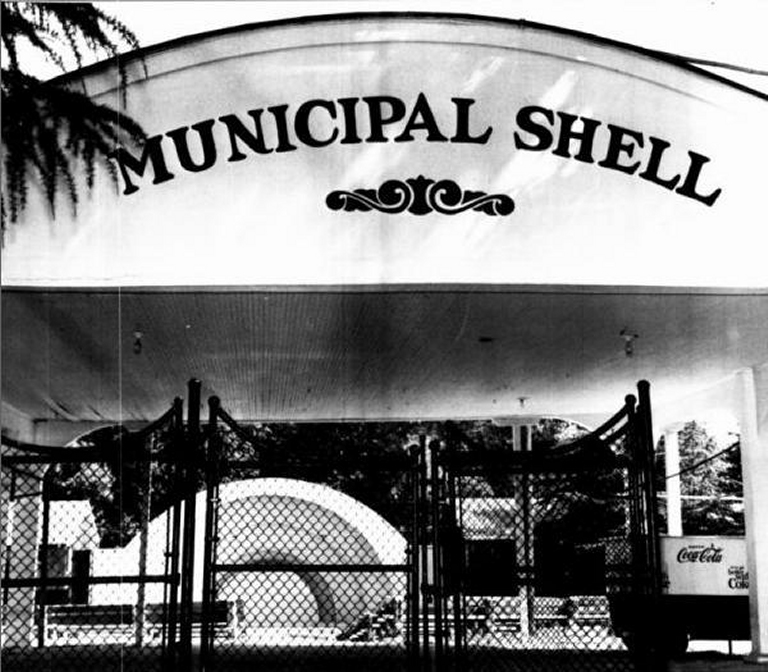
The Overton Park Shell
Overton Park is one of the first of several large parks in Memphis designed by landscape architect George Kessler that featured a picturesque landscape design, largely derived from the design traditions of New York City's Central Park. The planning began in 1901 and the design was completed in early 1902, and initial development of the drives, open areas, lakes, and pavilions were completed by August.1 Today the park includes the Memphis Brooks Museum of Art, the Memphis Zoo, a 9-hole golf course, and the Memphis College of Art.
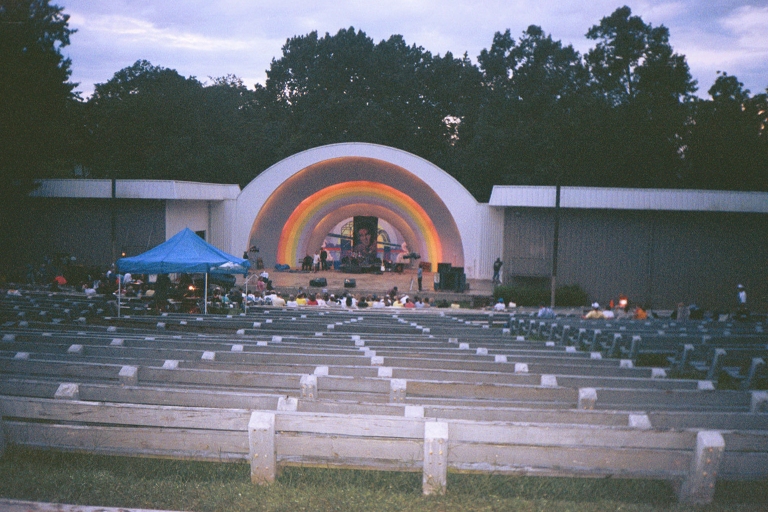
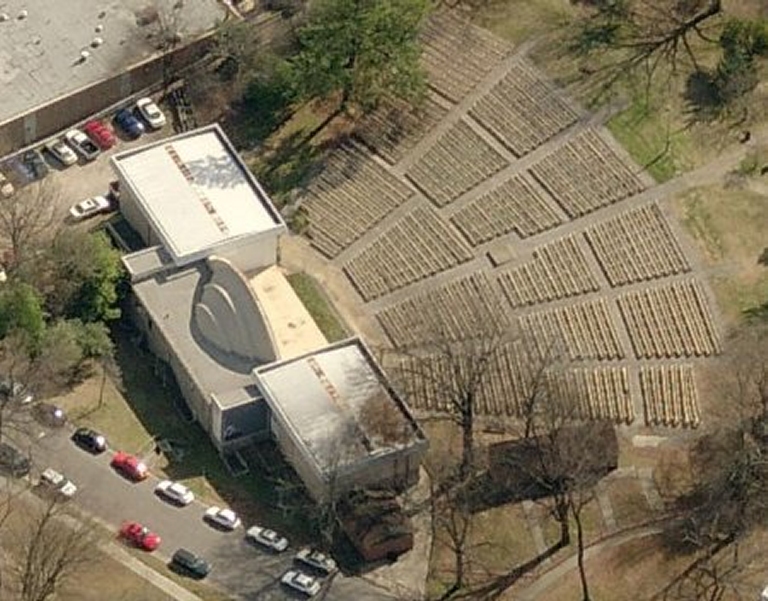
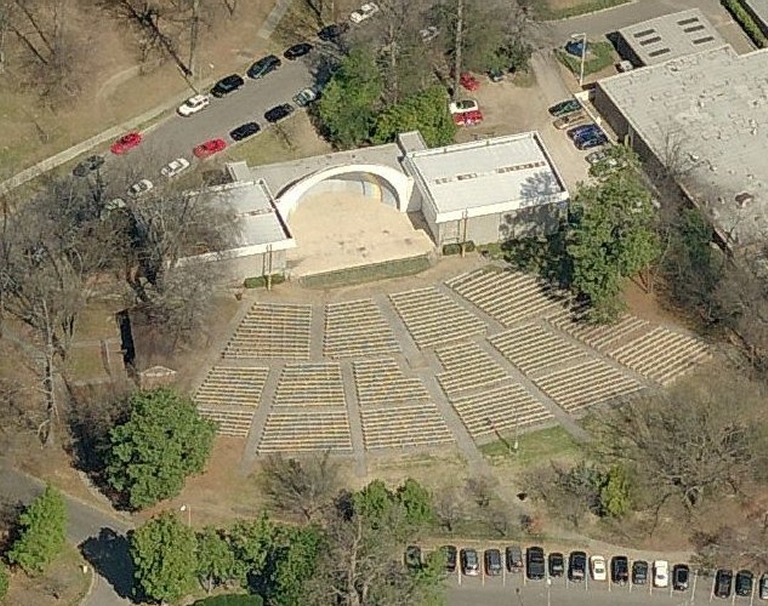
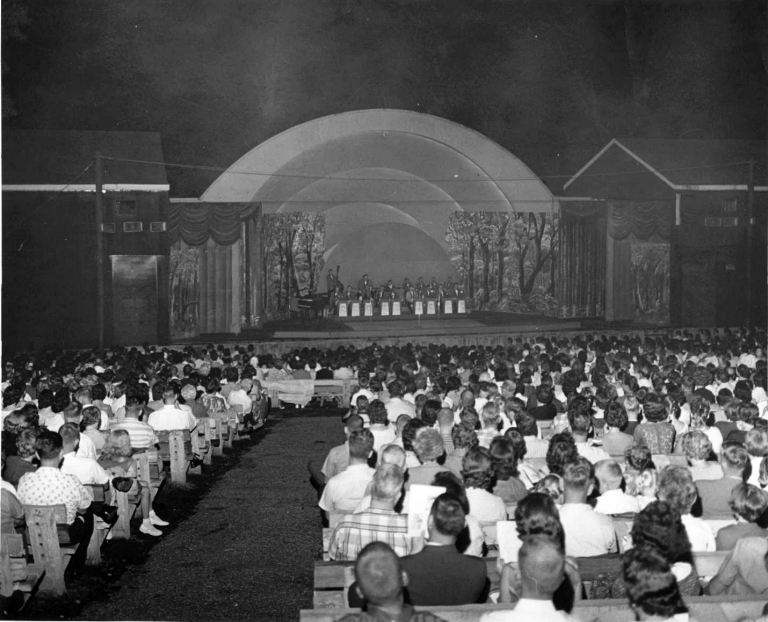
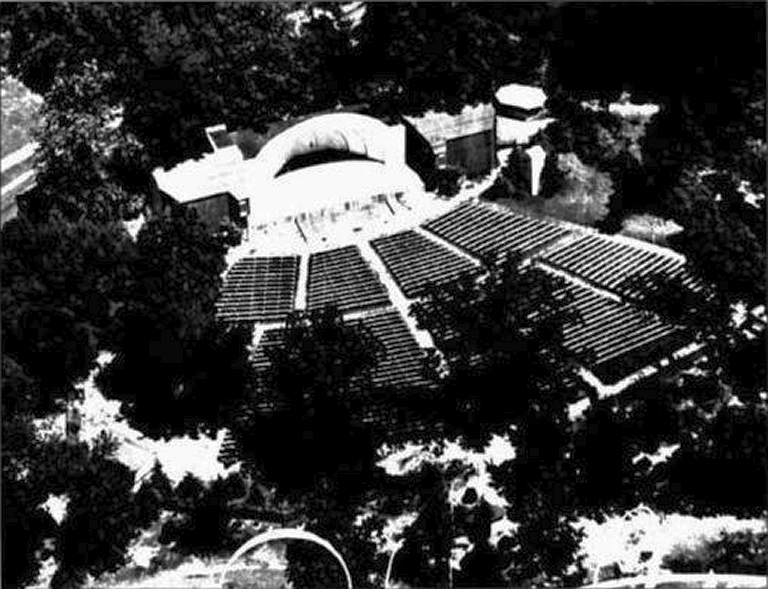
In 1933 and 1934 Ralph Dunbar produced two summer seasons of light opera and theater on a dirt stage at the foot of a natural bowl shaped slope in the Park and then advocated the construction of a permanent amphitheater on the site. In 1936 the Overton Park Orchestra Shell is constructed for $11,935 by the Work Progress Administration (WPA) and the City of Memphis. The facility has enough wooden benches for 4,000 people and is dominated by the reinforced concrete orchestra shell patterned after the acoustical designs of similar shells in New York, Chicago, and St. Louis. Dedication ceremonies on September 13 are attended by 6,000 as the newly formed Memphis Symphony Orchestra performs. The dedication program calls the Shell "A pledge to the future of music in Memphis".2
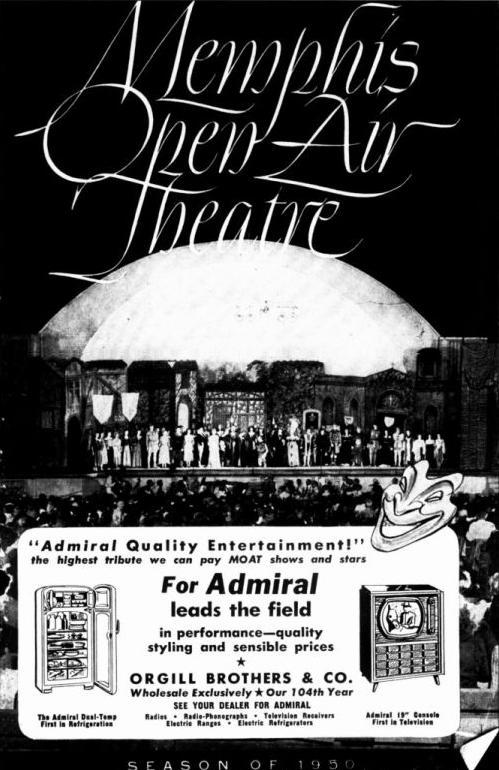
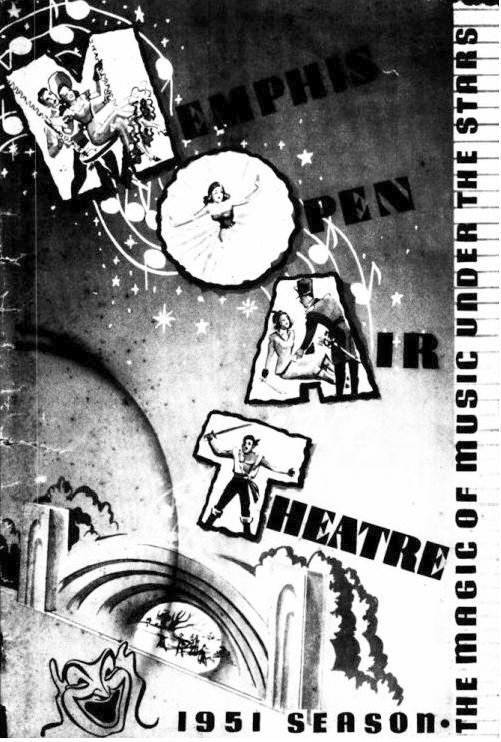
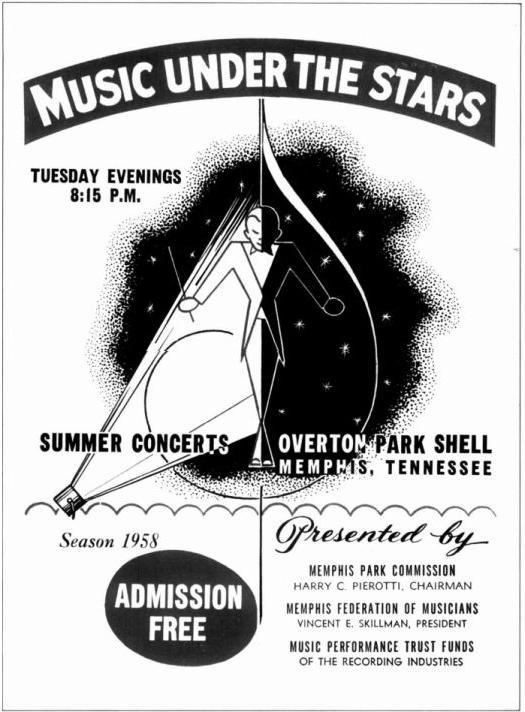
The following year the Memphis Open Air Theatre (MOAT) produces the first of fourteen seasons of light opera and musicals and in 1947 the Memphis Federation of Musicians inaugurates its "Music Under the Stars Program" series which will provide six to eight events a year over the next thirty years.2
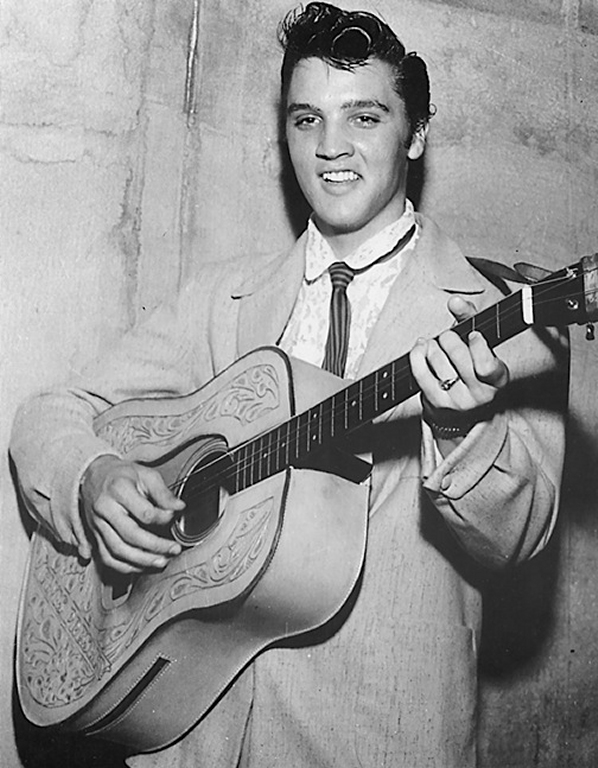
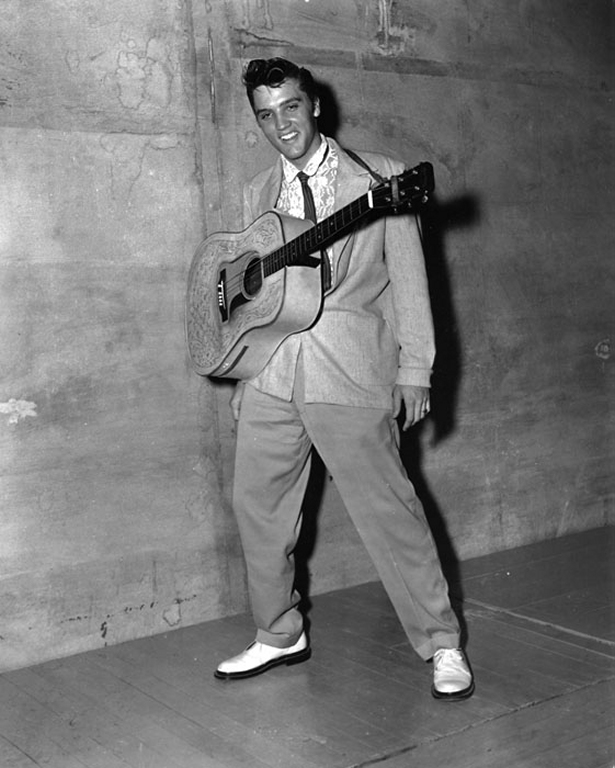
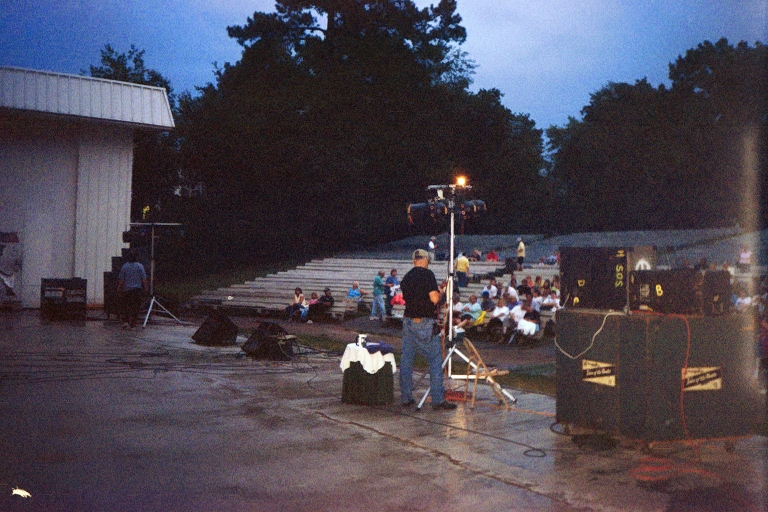
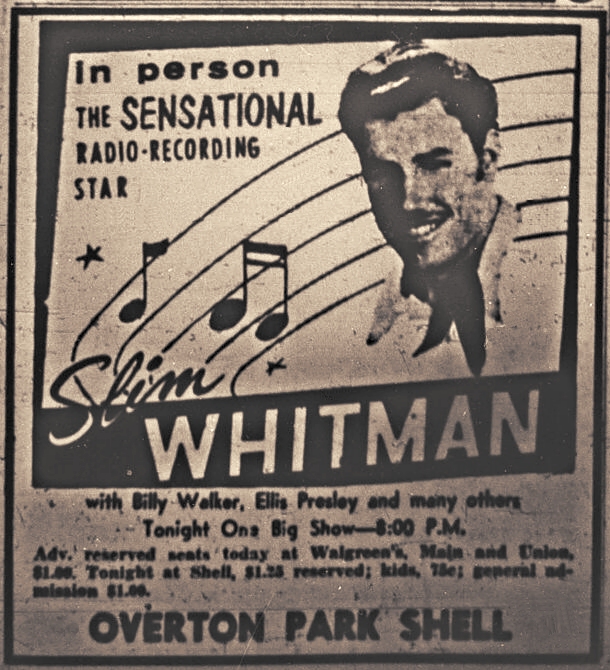
Shortly after recording their first record and Elvis signed a contract with Scotty as his manager, Elvis appeared as a special guest with the Starlite Wranglers on July 17th at their gig at the Bon Air club on Summer Ave., a bar on the outer rim of the city limits in eastern Memphis. When they performed the two songs they had recorded, all of the Wranglers had to leave the stage except Scotty and Bill since they were the only ones on the recording. Their performance was not received well and did not sit well with the rest of the band since the crowd was a hard drinking traditional Country and Western crowd and they didn't care for Elvis' look or music. After that night the they knew the Starlite Wranglers were finished as a group and Scotty and Bill gave their full attention to Elvis and the Blue Moon Boys. Sam Phillips then asked WMPS Memphis disc jockey Bob Neal to book Elvis on his Country Music Jamboree at the Overton Shell that featured Slim Whitman and Billy Walker as the headliners. It would be their first professional public performance as a band.3 The ad in the Memphis Press Scimitar misspelled Elvis's name "Ellis" though the small article got his name right.
The Memphis Press Scimitar on August 6 reported that the Shell was jammed with an overflow audience for the show and that several hundred were turned away. Local amateur photographer Robert Dye who photographed Elvis at the Shell on August 5th recalled one performer loaning him his guitar after Elvis couldn't find his in time to go on and was pretty agitated after Elvis returned it with two strings broken.
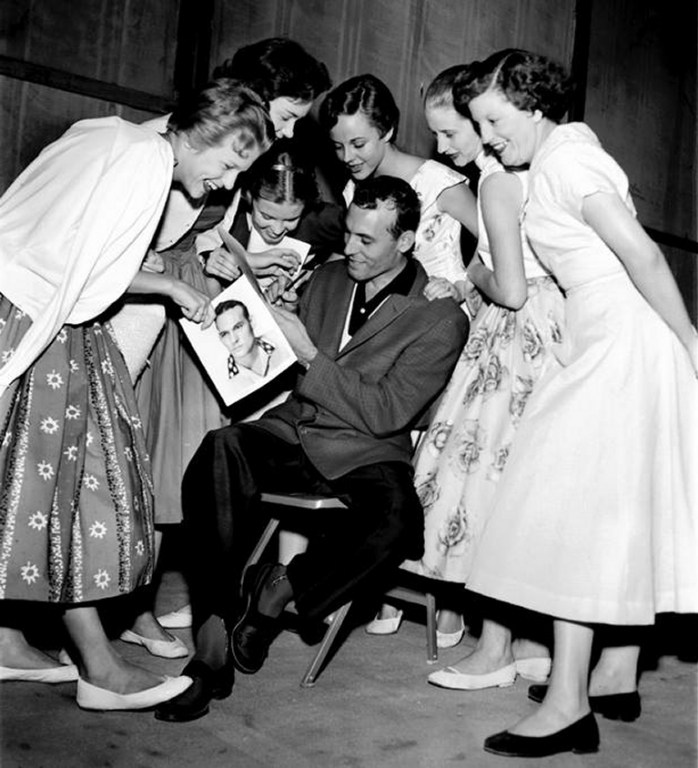
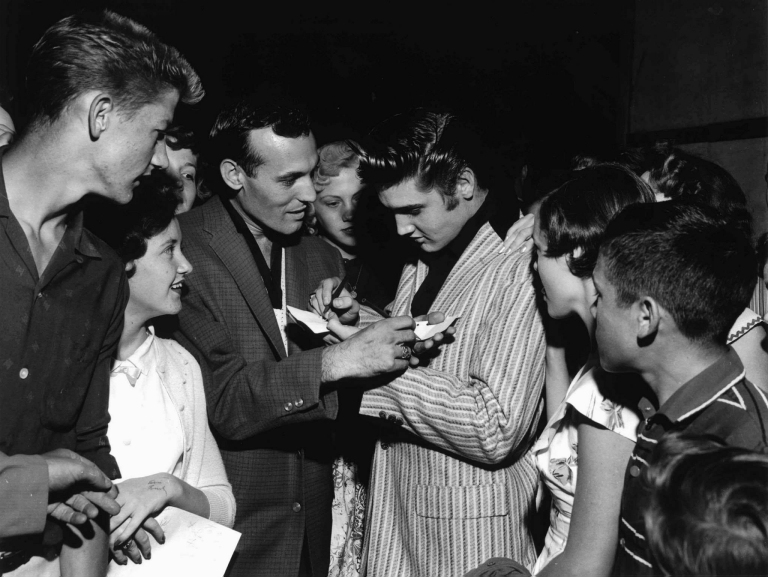
On June 1, 1956 Carl Perkins and his brothers performed at the Overton Park Shell, barely two months after their accident while on route to New York. Some 5,000 teenagers turned out that night for two hours of rock and roll by various artists including Perkins. Elvis made a surprise appearance at the show and they later were photographed jokingly exchanging autographs.
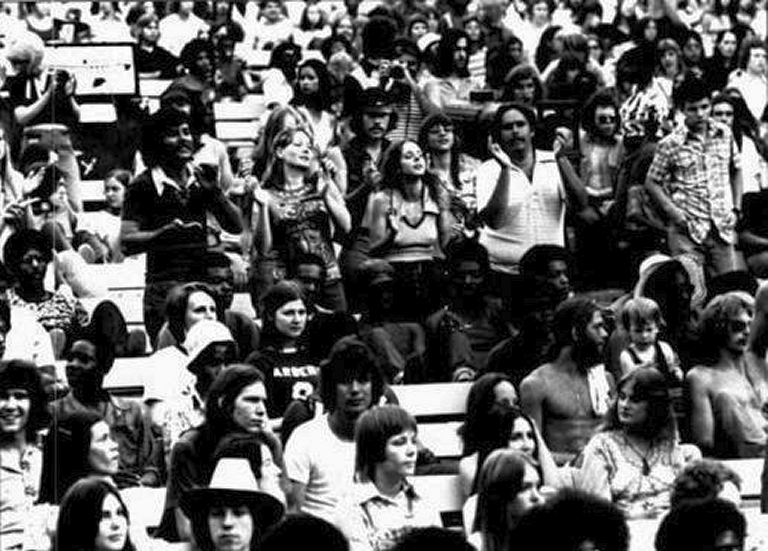
Homes on the west and east side of Overton Park were leveled in the 1960s to make way for the construction of Interstate 40, but instead of going through, the interstate abruptly stopped before reaching the area after numerous lawsuits succeeded in halting construction. The shell would eventually host several large name rock acts that included the Allman Brothers, The Grateful Dead and Neil Diamond. In 1974 the fence was removed and the Shell resumed a schedule of free performances, thus ending the controversy over rock concerts.
In 1982 at the request of the National Council of Christians and Jews, the Shell was renamed the Raoul Wallenberg Shell after Raoul Wallenberg, a Swedish diplomat responsible for saving thousands of Jews from Nazi death camps. In 1985, the stage of the Shell remained dark for the first season since its construction. Many Memphians thought the dormant and somewhat dilapidated amphitheater was doomed to be displaced by a parking lot.
Late in 1985, volunteers began repairs to the facility at no cost to the city. A petition drive was begun, weekly meetings were held and the "Save Our Shell" committee was born. Save Our Shell Inc. provided entertainment there through 2003 with 54 performances for 63,000 people in 2002 and 63 performances for 75,000 people in 2003.2
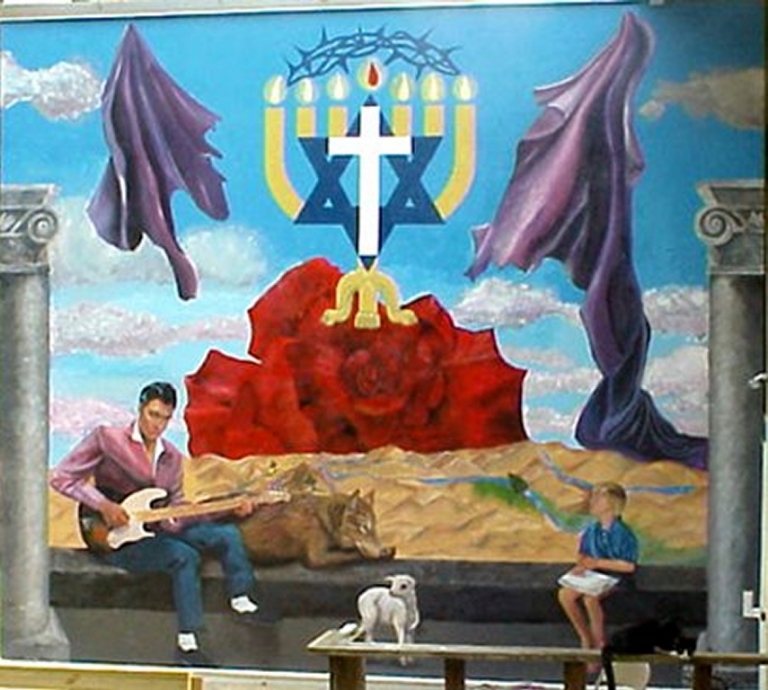
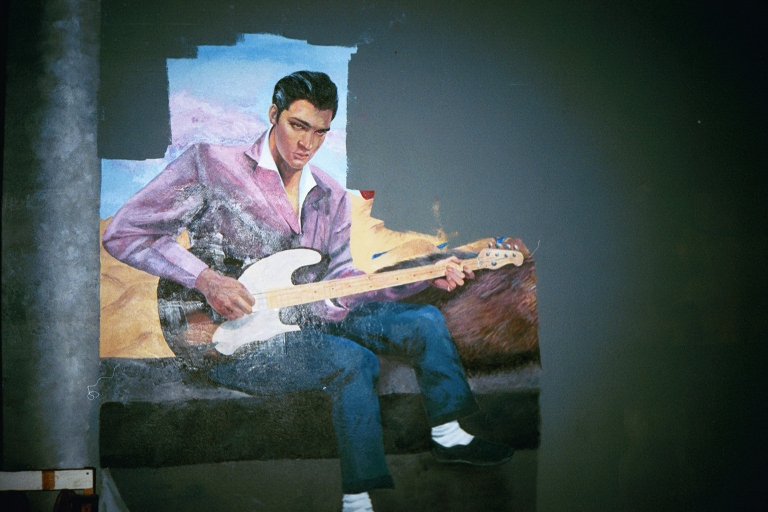
Years later a Christian and Jewish themed mural was painted on one of the rear outside side walls at the shell that depicted Elvis and subjects from the lyrics of one of the gospel songs he recorded, "Peace in the Valley". One or more organizations apparently protested about the religious aspects of the mural and most of it was painted over.
In October of 2004 the city once again closed the 68 year old shell citing code violations and liability concerns. An engineering study found that the shell needed about $550,000.00 worth of repairs and improvements. It said this historic venue has decayed to the point that it is now a liability for the city.
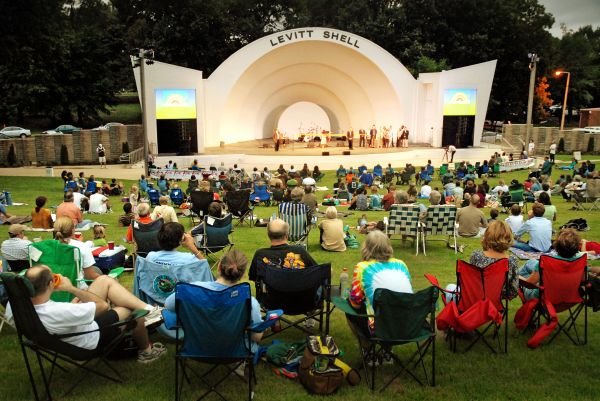
In January of 2007 it was announced that the city had partnered with the Mortimer Levitt Foundation and a group of Memphians to revive the Shell. The Foundation, created in 1963 to support the arts across the U.S., has a history of helping restore amphitheaters, such as the Gold Shell in Memorial Park in the city of Pasadena, CA. That venue, built in 1930 and restored with a $250,000 grant from the foundation is now called the Levitt Pavilion for the Performing Arts.
In February The Memphis Business journal reported that renovations will cost approximately $1 million and construction is scheduled to begin in June with the first performances in Spring 2008. The Memphis City Council approved capital funding of $500,000 to be matched by the Mortimer Levitt Foundation and the Friends for the Levitt Pavilion Memphis. The Friends will raise an additional $1.75 million to operate the Shell for the first five years and intend to produce 50 free concerts there a year. Askew Nixon Ferguson Architects will design the renovation and is looking to make it environmentally friendly and sustainable, according to a release. "The renovations include replacing the two wings on each side of the stage and replacing the old benches with lawn seating and a few new benches for the elderly and handicapped," Lee Askew said.4
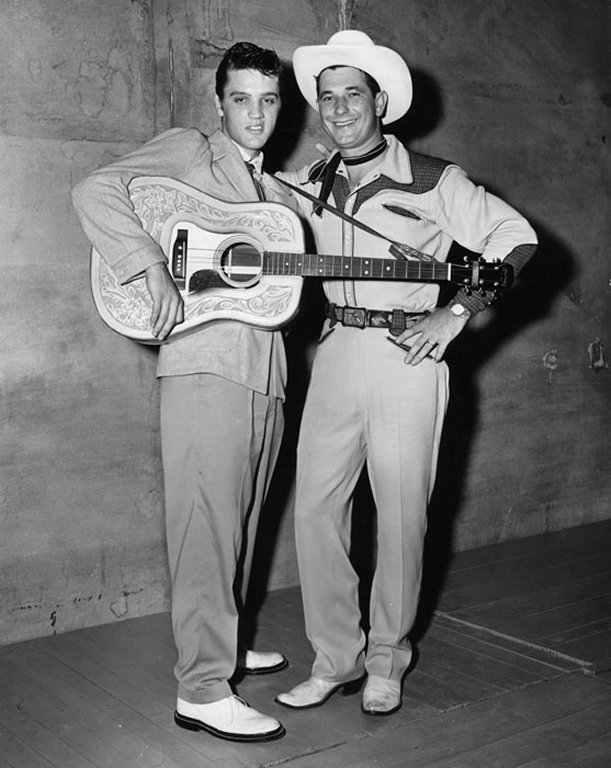
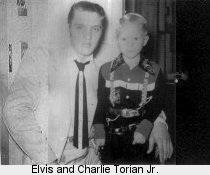
The picture of Elvis at his first appearance at the shell on July 30th with the little boy , Charlie Torian Jr., was taken when he was brought backstage to meet "an entertainer" by his father, a Lieutenant with the Memphis Fire Dept. When Elvis died on August 16, 1977, that little boy, by then a Sergeant with the Memphis Police, was assigned to Graceland to guard Elvis' body.5 page added November 24, 2007 1 The
Tennessee Encyclopedia of History and Culture. Special thanks to E-Cat of the FECC for his photo contributions Levitt Shell's opening crowd amazes
Ecstatic organizers estimate nearly 1,000 attended each night Billy Lee Riley
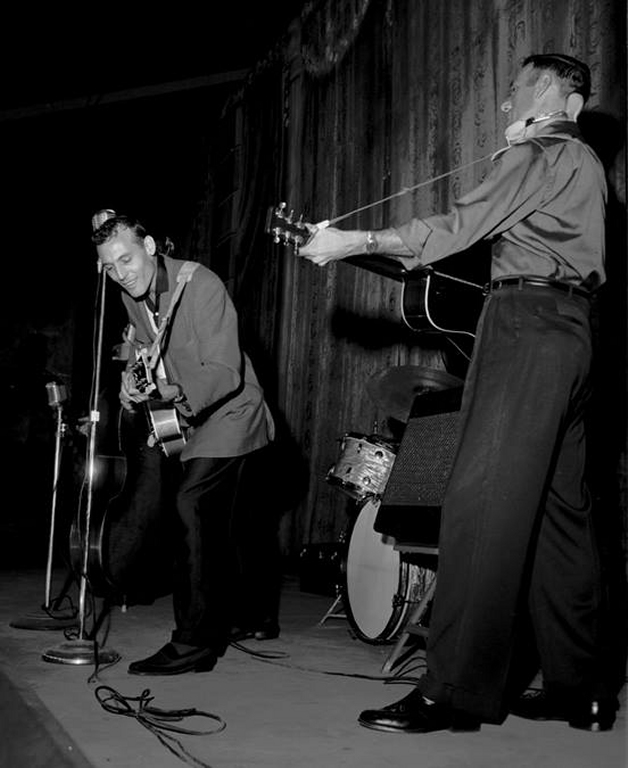
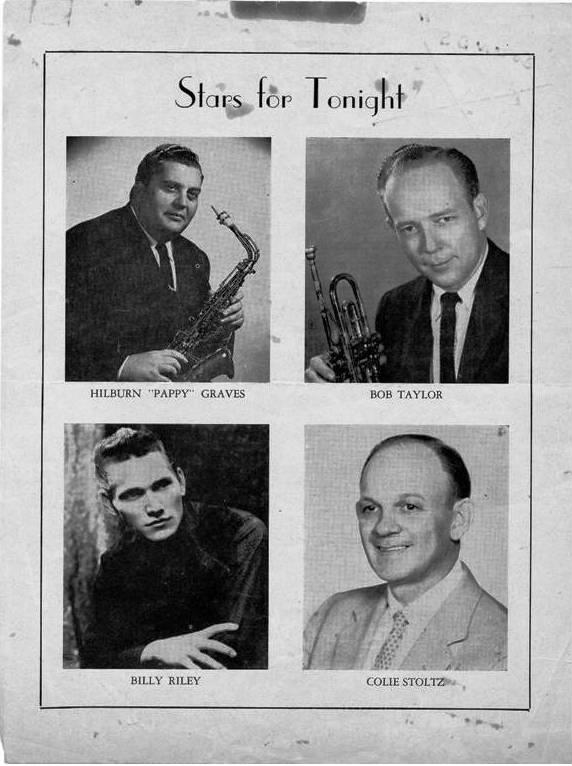
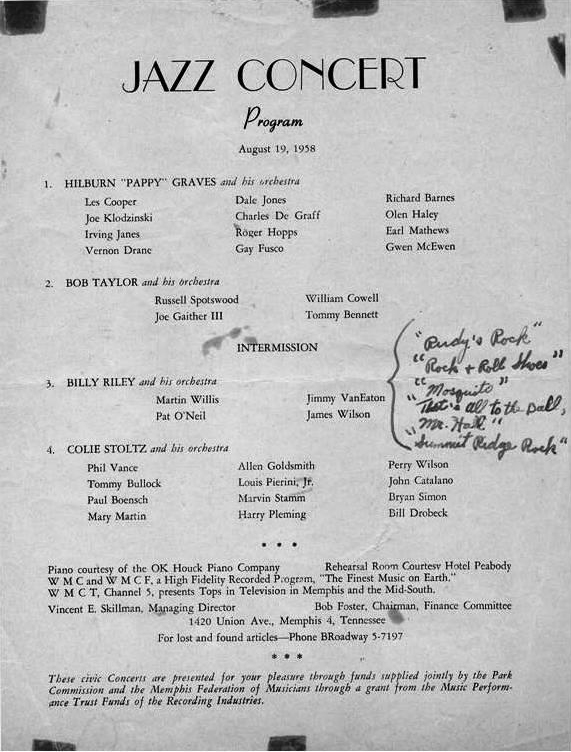
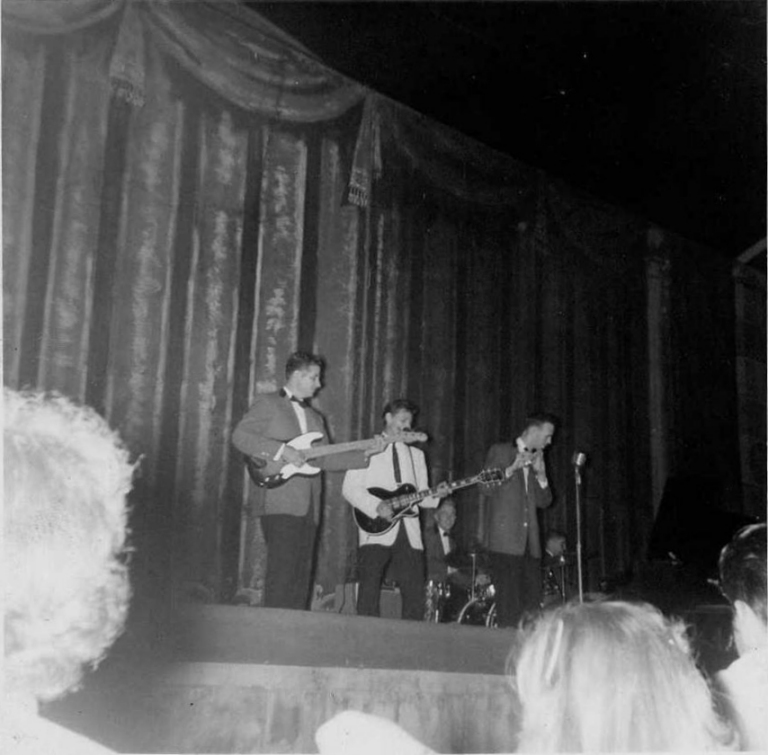
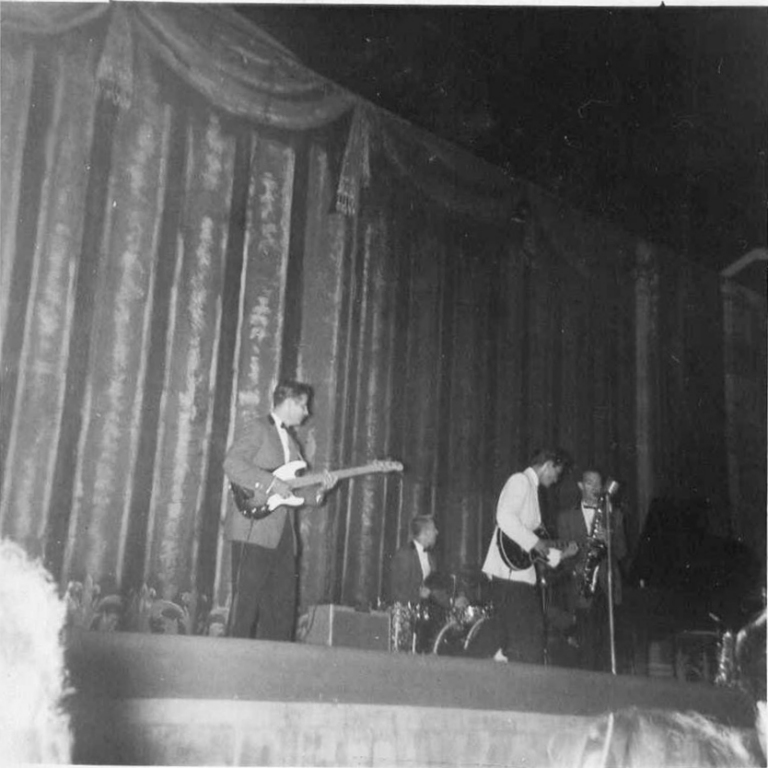
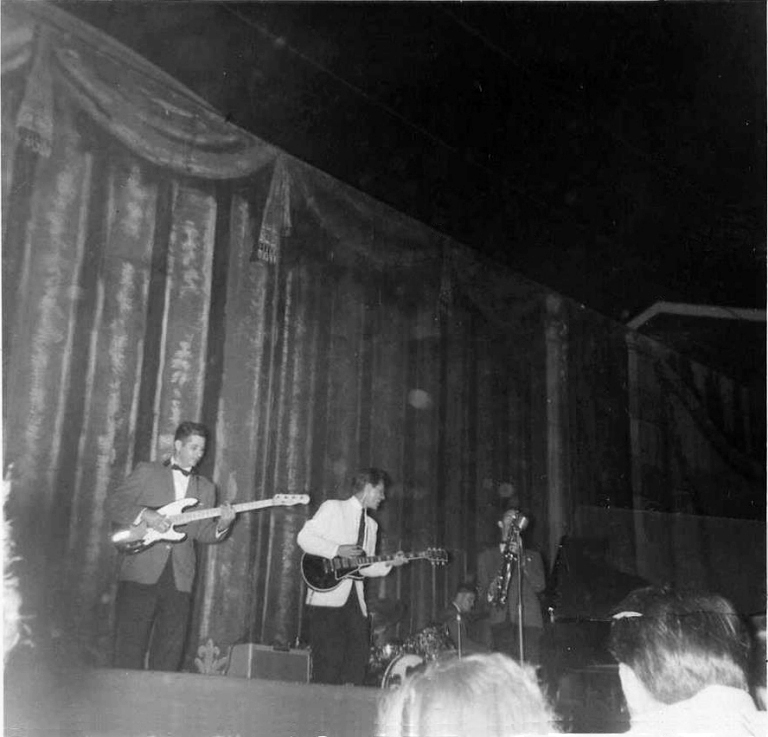
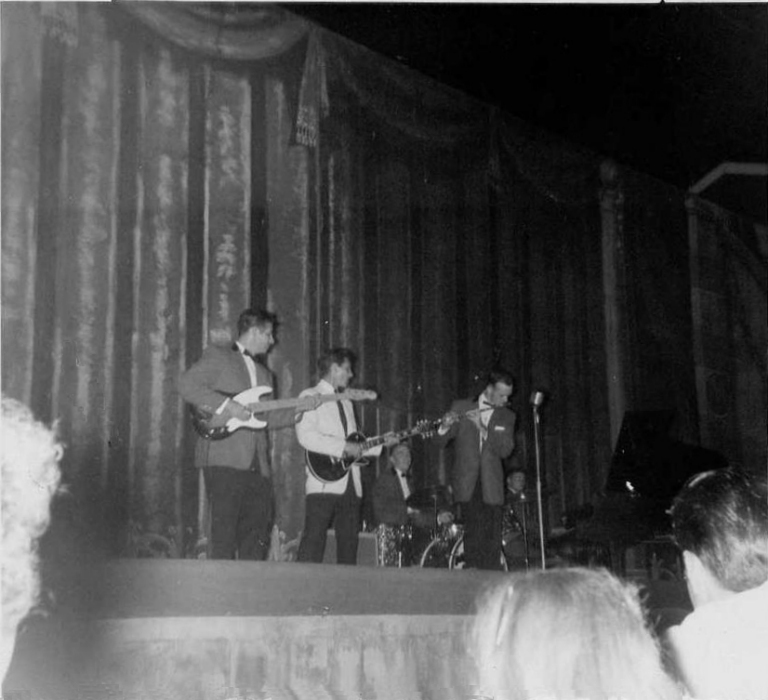
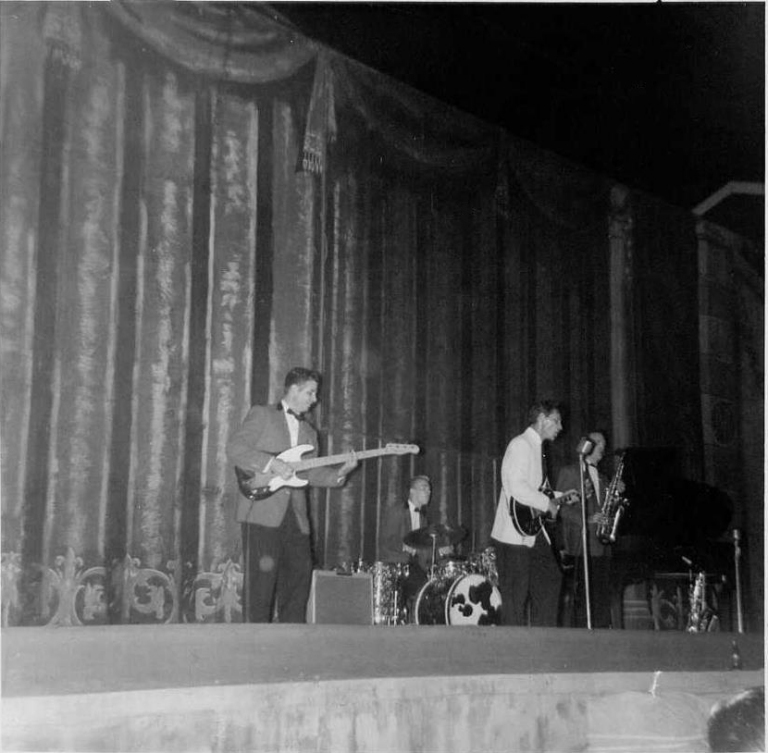
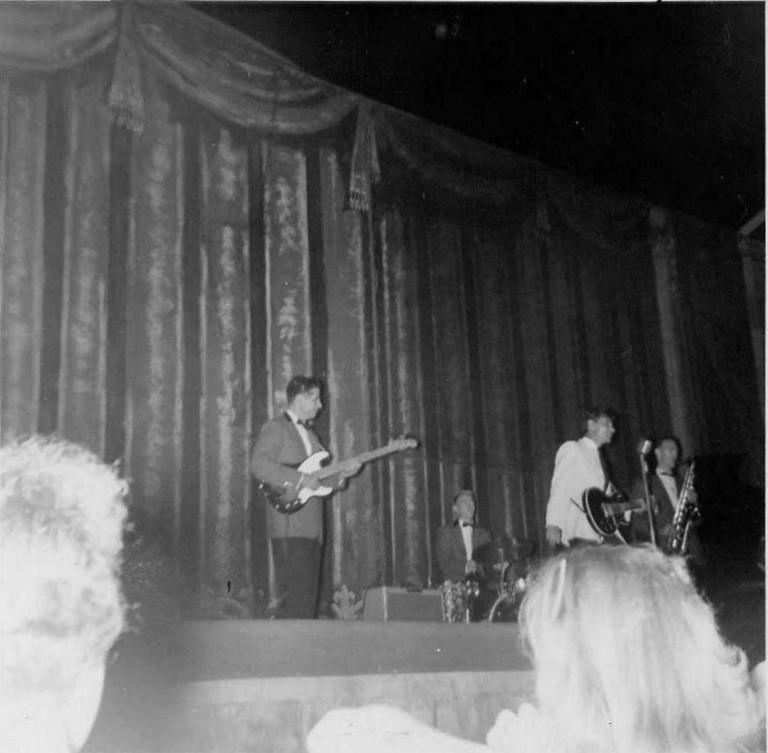
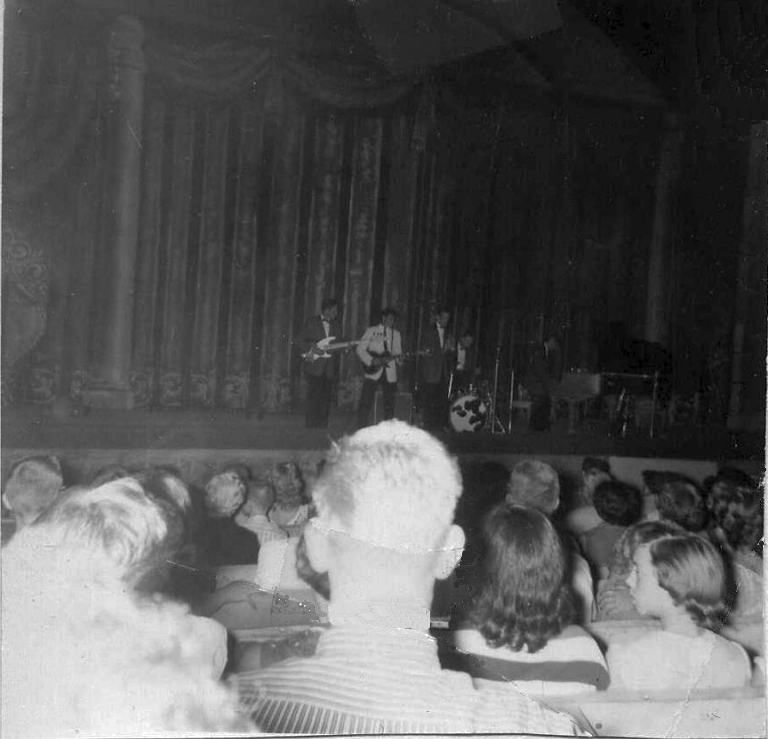
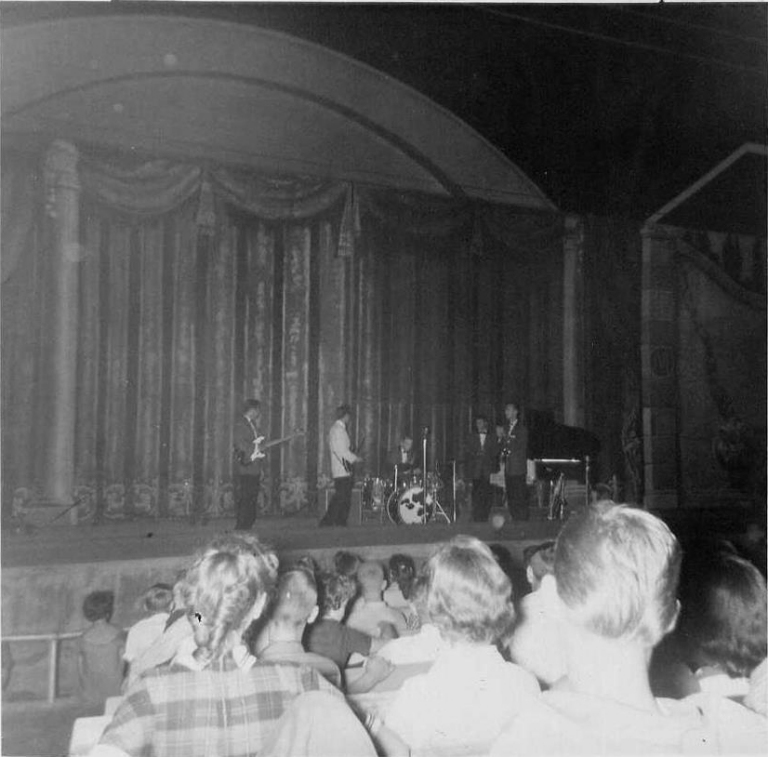
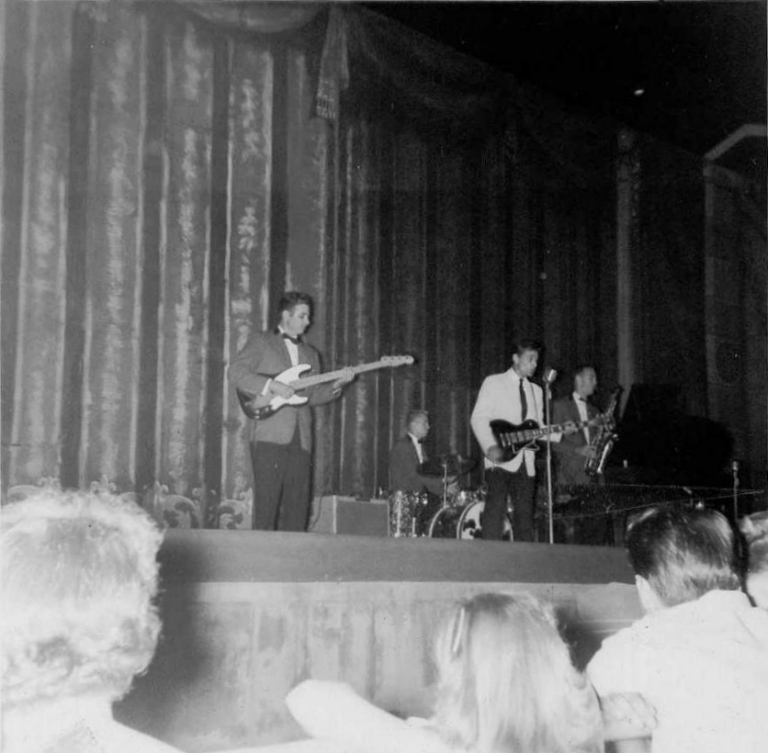
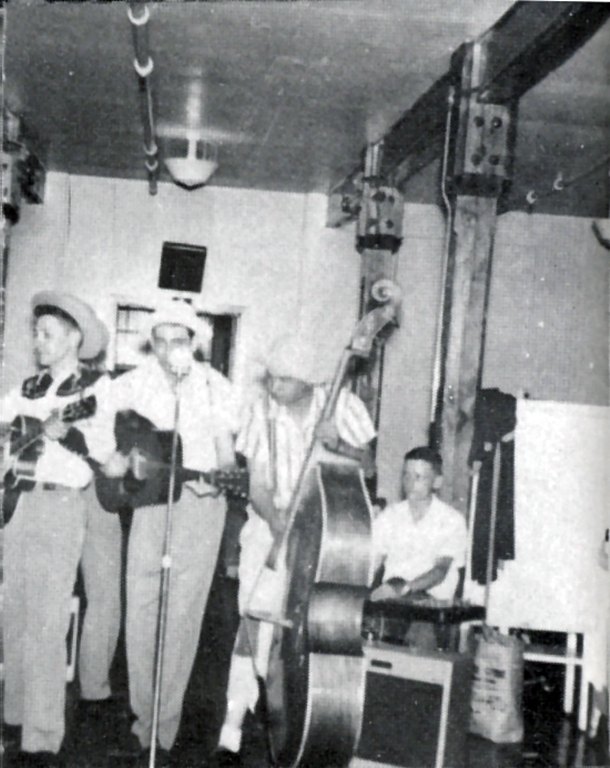
and the Little Green Men On August 19, 1958, Sun Records artist Billy Lee Riley and the Little Green Men performed as one of the acts on the last night of the season at the Overton Park Shell summer concert series. According to Martin Willis, they performed six songs*: Rudy's Rock, Rock & Roll Shoes, Mosquito, That's All To The Ball, Mr. Hall and Summit Ridge Rock. These photos are courtesy of Martin Willis' Facebook page. They give an excellent look at the appearance and setup of a band and stage there in that era. A community endeavor, as noted in the program, the grand piano for the concert series is courtesy of the OK Houck Piano Company in Memphis.
In comparison Riley must've seriously contrasted the other big band acts that night with their "assorted styles". The Commercial Appeal advertised:
section added March 20, 2015 *Regarding the hand-written titles on the program, please note that they refer to five songs, not six, as "Is That All To The Ball (Mr. Hall)" is one of the sides of Riley's sole Brunswick single, issued that same year under the name "Bill Riley" (all Sun singles referred to him as "Billy Riley", except the last one which also had his name noted as "Bill" - the "Lee" bit was added later). Two of the other songs referenced are probably "Hang Up My Rock & Roll Shoes", the Chuck Willis song, and "The Green Mosquito", the Tune Rockers instrumental, both released earlier in 1958. "Rudy's Rock" is of course the Bill Haley instrumental number featuring Rudy Pompili, but I have no idea what "Summit Ridge Rock" unless it's a rock & roll adaptation of the 1940 Artie Shaw single Summit Ridge Drive. I think it was Roland Janes who said that Jerry Lee used to play this song just for fun. - courtesy FECC/Mister Moon - March 21, 2015
|
||
| All photos on this site (that we didn't borrow) unless otherwise indicated are the property of either Scotty Moore or James V. Roy and unauthorized use or reproduction is prohibited. |
 Advertised
as a Hillbilly Hoedown, appearing in addition to Slim Whitman and Billy
Walker were "Sugarfoot Collins, "Sonny" Harvelle, Tinker Fry and "Curly
Harris. The show began at 8:00 on the night of July, 30, 1954,
and they started with "
Advertised
as a Hillbilly Hoedown, appearing in addition to Slim Whitman and Billy
Walker were "Sugarfoot Collins, "Sonny" Harvelle, Tinker Fry and "Curly
Harris. The show began at 8:00 on the night of July, 30, 1954,
and they started with "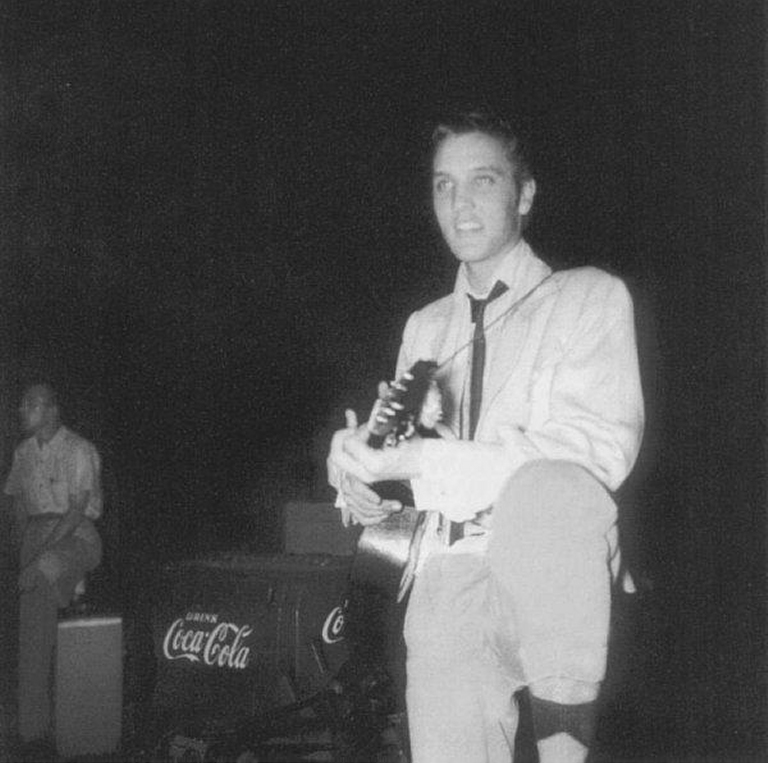
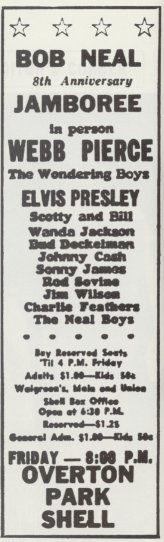 The following year they returned to the Shell for the
second and last time for Bob Neal's eighth annual Country Music
Jamboree. The show also included Webb Pierce, Sonny James, Johnny Cash,
Wanda Jackson
and some 22 other country music and comedy performers. They drew a crowd of over 4000.
The following year they returned to the Shell for the
second and last time for Bob Neal's eighth annual Country Music
Jamboree. The show also included Webb Pierce, Sonny James, Johnny Cash,
Wanda Jackson
and some 22 other country music and comedy performers. They drew a crowd of over 4000.